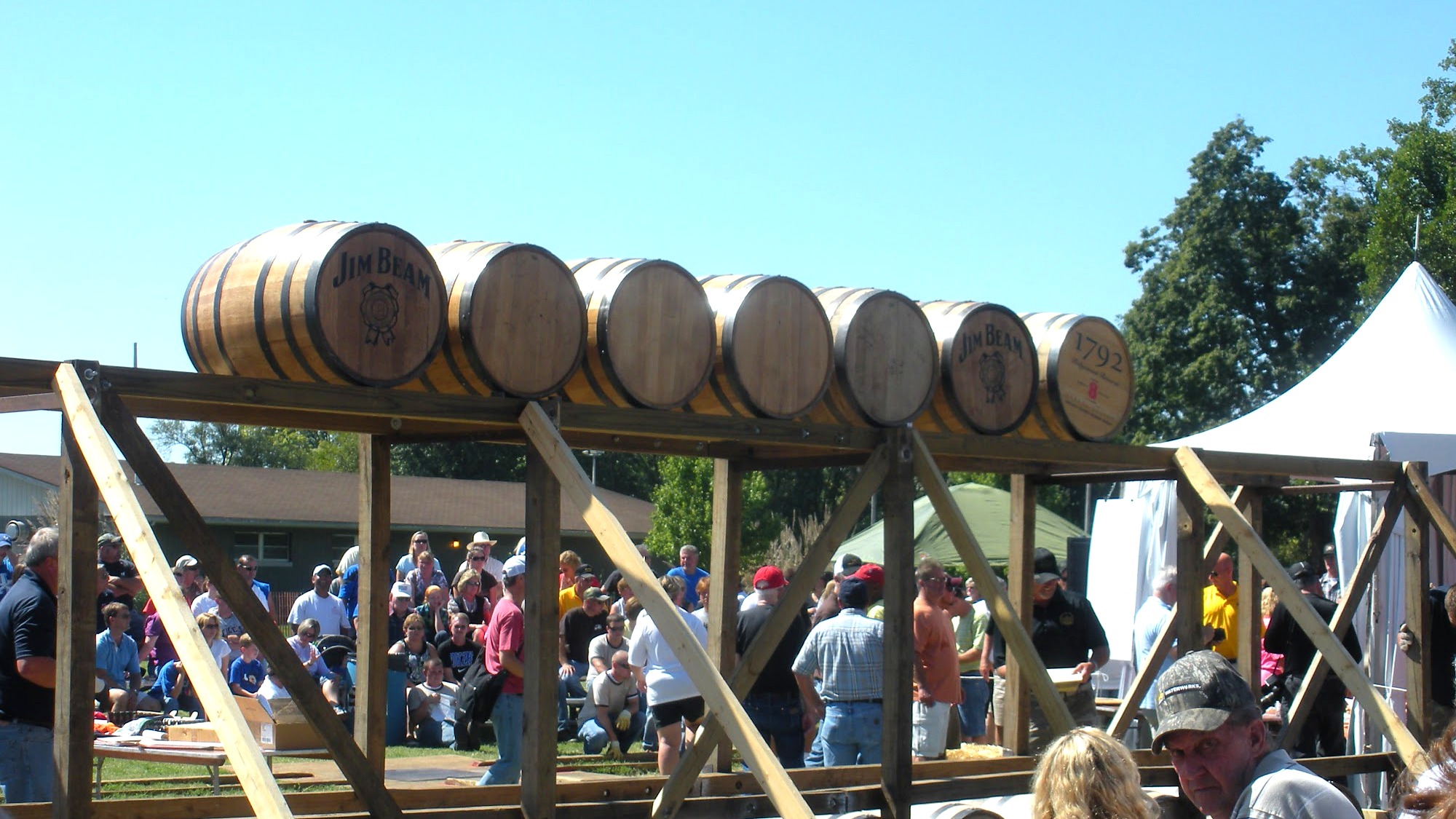
On April 8, MGP Ingredients announced that Lux Row Distillers in Bardstown is pausing all distilling operations starting May 1. At least a year. Thirty-three jobs affected. The visitor center stays open.
Jim Beam consolidated mass production at its Boston facility and paused Clermont for upgrades — separating its commodity volume from its craft brands.
There are 16.1 million barrels of bourbon aging in Kentucky rickhouses right now — an industry record. Production is outpacing demand by a significant margin. Nobody’s buying fast enough to keep up.
Bourbon is in the spotlight.
But this isn’t a bourbon problem.
Here’s the model I keep coming back to when I watch what’s happening.
Every market has two ends. On one end: craft. Low volume, high story, hard to get. The price is whatever the maker says it is, because you’re paying for scarcity and narrative — not just what’s in the bottle. On the other end: mass market. High volume, tight margins, manufacturing efficiency is everything. You win on scale, not story.
And then there’s everything in between.
That middle stretch — the space between where craft clarity ends and mass market scale begins — is bloody ground.
You’re there when you’re paying craft marketing costs while trying to move commodity volume. You’re there when your brand promises a story it can’t deliver at scale. You’re there when you’ve grown past the point where your personal reputation carries the business, but haven’t built the infrastructure yet to survive being wrong for a year.
The bourbon industry got there deliberately. They saw where most people’s fandom lived — not at the ultra-premium end nobody’s ever heard of, not at the well-drink bottom nobody admits to ordering. In the middle. The “pick your team” tier. So they built for it. All of them, at the same time, at massive scale.
That’s how you end up with 16.1 million barrels and nowhere to put them.
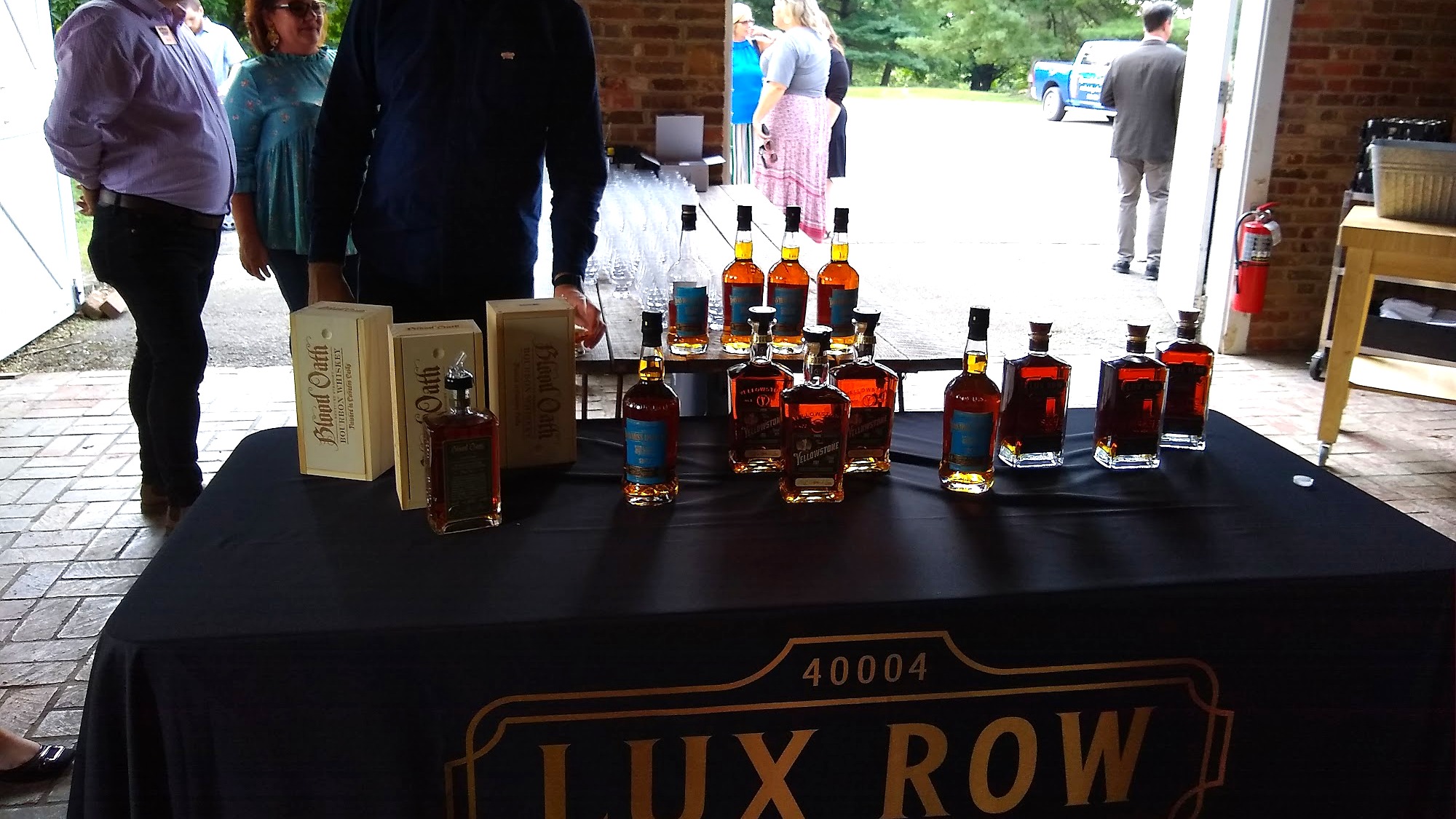
The ones who navigated it correctly — Buffalo Trace, Sazerac — didn’t try to make one brand be everything. They built a portfolio. Each brand knew its lane. Pappy Van Winkle stayed scarce by design. They didn’t scale the story up when the hype peaked. While others are pausing production this spring, Buffalo Trace released two new experimental expressions this month. That’s the difference: deliberate decisions at every transition point, rather than trying to be everywhere at once.
This isn’t a bourbon problem. It’s a business problem.
Small businesses under a million dollars in revenue are craft. The story is the most important thing. You set your own price. But you’re fragile — a change in material costs, a shift in credit availability, one bad season, one life pitfall — and you’re gone. That fragility creates real pressure to grow.
Big businesses are price makers. They have the bankroll to absorb being wrong. They can pause production for a year and survive it.
The gradient between those two ends is where every business lives. And the pressure to move up that gradient is constant, rational, and often necessary. The problem is when you move faster than your capability to deliver — when you’re scaling the volume before you’ve built the quality infrastructure to support it, or when you’ve promised a story you can’t back up at the size you’re trying to be.
That’s when you hit the wall.
Now watch AI.
One end: people asking ChatGPT questions on their phones. The starting line — they know AI exists, they don’t yet know what it can be. Other end: Anthropic, OpenAI, Microsoft — the market makers at the edge of the technology.
Everyone in between is under the same pressure the bourbon distilleries were under. You know you have to move. Everyone’s doing it. You don’t want to be the one who blinked.
Industry surveys consistently show that the vast majority of companies — across manufacturing, healthcare, construction — say they’re exploring AI. A fraction say they’re actually ready to deploy it. The gap between those two numbers is the bloody ground. And the pressure to close that gap faster than capability allows is how you end up with security holes, failed pipelines, and organizations that have tanked real operations chasing a technology they weren’t ready to absorb.
This is happening right now, in every industry. The correction is coming. Some are already in it.
I’ll tell you something about myself here.
I’m the person who bets on a lot of things at once. I push hard into all of them, because I’d rather find out fast than wait to be certain. And sometimes I push past what I can actually support — too many fronts, not enough infrastructure. That’s when I have to cut.
Cut, cut, cut. Get back to solid ground. Start from there.
This has happened to me. It will probably happen again.
Everyone who reads this will agree with it and think it won’t happen to them. Until they’re in the bloody ground, pushing too hard, and they hit the wall.
Here’s the thing about correction: it’s called correction for a reason. It’s not failure. It’s not the end. You retract, you get your bearings, and you keep going.
Lux Row is pausing production. They’re not closing forever. The Kentucky Bourbon Festival — 35 years — is still coming. Tickets go on sale Monday.
Bardstown is in correction. Bardstown is still here.
You keep going.
Justin Hamilton is a tech guy from Bardstown, Kentucky. He works across manufacturing, AI, and distilling — not because he couldn’t pick one, but because his brain needs to understand all of it.